Rising Treasury yields are reshaping markets, putting pressure on equity valuations while increasing investor focus on inflation, fiscal policy, and diversification. As AI investment continues, investors may increasingly focus on sustainable earnings, cash flow, valuations, and balanced portfolio construction.
Why Rising Treasury Yields Are Driving Market Volatility
This week, the bond market emerged as a key driver of financial markets. Long-term U.S. Treasury yields moved higher as investors focused on inflation risks, large fiscal deficits, and continued government borrowing. Higher yields can tighten financial conditions and put pressure on equity valuations, particularly in technology and other higher-valuation growth stocks.
Can Treasury Buybacks Stabilize Bond Yields?
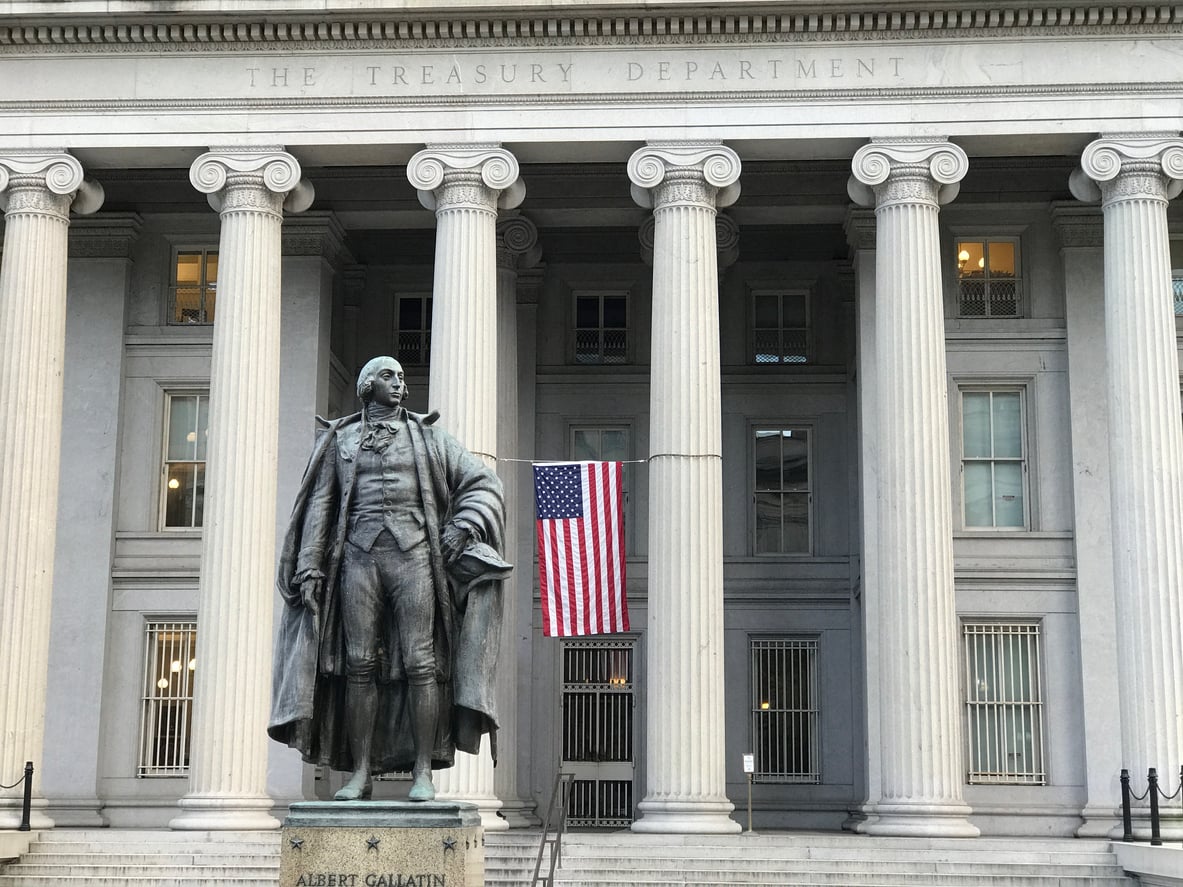
The U.S. Treasury Department increased buybacks of longer-dated government bonds in an effort to support liquidity and market functioning. The announcement initially helped stabilize yields and provided some support for equities, although the improvement was temporary.
Treasury buybacks may improve liquidity in parts of the government bond market, but they do not resolve broader questions surrounding fiscal deficits, inflation, interest rates, or the growing supply of government debt. These factors remain important considerations for investors assessing the direction of long-term Treasury yields.
Why Gold and Bitcoin Are Attracting Investor Attention
Gold and cryptocurrency also responded to the changing macroeconomic environment. Gold benefited from a weaker U.S. dollar and continued interest in assets that may provide diversification during periods of fiscal and inflation uncertainty.
Bitcoin also moved higher, supported by improving sentiment toward digital assets as well as broader discussion around currencies, government debt, and monetary policy. The concurrent strength in gold and Bitcoin highlights how some investors are considering alternative assets as part of broader portfolio diversification when uncertainty around the long-term interest-rate environment increases.
Is AI Investment Still Supporting Equity Markets?
Despite recent volatility, we do not view the market movement as evidence by itself of a fundamental deterioration in the economy or corporate earnings outlook.
Demand across parts of the AI infrastructure ecosystem remains an important market theme. Recent corporate results continue to point to significant investment in areas such as data centers, semiconductors, networking infrastructure, and power systems.
However, the market is increasingly focused on a critical question: Can AI-related investment translate into sustainable revenue, earnings, and cash flow?That distinction may become increasingly important as investors evaluate companies across the AI value chain.
Why AI Software and Platforms Could Become the Next Focus
Our near-term market view remains constructive but selective. AI infrastructure continues to represent an important area of investor interest, while software and platform companies demonstrating tangible AI monetization may offer another area for consideration.
At the same time, diversified assets such as gold may play a role in portfolios seeking to manage exposure to periods of elevated macroeconomic uncertainty.
These are market observations rather than guarantees of future performance, and individual securities and asset classes can behave differently under changing economic conditions.
What Rising Treasury Yields Could Mean for Stocks
The bond market is likely to remain an important signal for equity investors.
If long-term Treasury yields stabilize, corporate earnings and growth themes—including AI-related investment—could regain greater influence over equity valuations. Conversely, if yields continue to rise, valuation pressure could persist even among companies with strong fundamentals.
For investors, the current environment reinforces the importance of looking beyond individual stocks and considering interest rates, valuation, earnings growth, sector exposure, and portfolio diversification together.
What Investors Should Watch Next
Three factors may be particularly important in the weeks ahead:
- Long-term Treasury yields — whether the recent rise begins to stabilize or continues.
- AI-related earnings and spending — whether significant infrastructure investment continues translating into measurable business growth.
- Portfolio diversification — how investors balance growth-oriented assets with areas that may provide diversification during periods of macroeconomic uncertainty.
Markets can change quickly, and past performance does not guarantee future results. Investors should consider their individual objectives, risk tolerance, and circumstances before making investment decisions.
Markets are evolving quickly. Find out whether your portfolio is positioned to benefit from the next phase or whether it's exposed to the current market turbulence.
Download the Quantel App for free and gain AI-powered portfolio insights.
Quantel AI





.png)