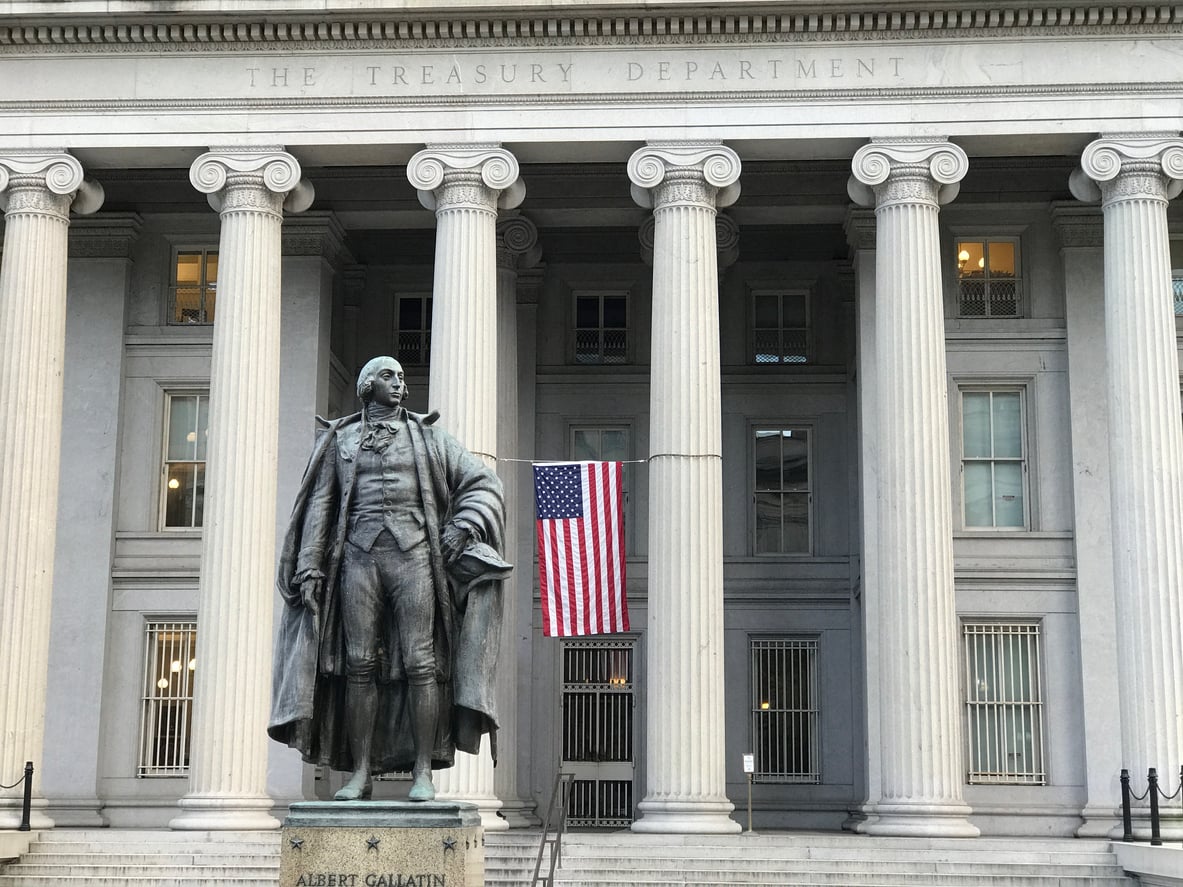

US markets staged a sharp relief rally after President Trump paused planned tariffs, easing immediate trade tensions. The Nasdaq led gains on renewed AI and tech buying, while gold surged to record highs, signaling persistent caution. With inflation steady and Federal Reserve policy unchanged, earnings performance and valuation discipline will shape the stock market outlook for 2026.
Policy Reversal Triggers Market Relief Rally Amid Tariff Uncertainty
U.S. stocks staged a strong rebound on Wednesday, and the reason felt familiar. After a short selloff sparked by new tariff threats over the Greenland issue, President Trump softened his stance and paused planned tariffs on European allies. Investors relaxed, took on more risk, and the market moved forward. The so-called "Trump Always Chickens Out" trade showed up again, and this time it worked fast.
The bounce was decisive but not reckless. Equities climbed for a second day, led by big tech, with the Nasdaq outperforming as investors bought back into AI-related names and company-specific stories like Tesla. The speed of sentiment change stood out. Early in the week, markets priced in trade conflict. By Wednesday, the narrative shifted to relief, with most investors assuming the harshest policy threats wouldn’t materialize.
Risk Appetite Improves, but Gold Signals Persistent Market Caution
Still, this didn’t feel like a full return to risk-on euphoria. One of the clearest telltale signs was gold. Even as stocks rallied, gold pushed through new record highs above $4,900. That combination matters. Investors are clearly willing to buy equities on dips, but they’re not willing to give up their hedges. The message is simple: confidence in markets has improved, but trust in political and policy stability remains limited.
The broader economic picture helps explain the rebound. Inflation is steady, so the Federal Reserve is not likely to change rates soon. Growth remains solid, the job market is cooling slowly, and there is little pressure for tighter conditions. In this setting, policy-driven swings seem like background noise rather than a reason to pull back from risk.
Earnings Outlook, AI Leadership, and Valuations Shape Market Direction
Earnings matter more now. With high valuations, markets are less forgiving of weak guidance or vague long-term promises. This is especially true in tech and industrials, where expectations are high and execution matters. AI remains a powerful theme, but investors are becoming more selective, rewarding companies with clear monetization paths and punishing those still stuck in transition stories.
Looking ahead, the outlook suggests consolidation rather than a runaway rally. Continued policy shocks followed by reversals may limit downside. But high valuations, headline risk, and caution mean upside will be gradual and uneven. The market can move higher, but only if earnings deliver.
In short, Wednesday’s rebound was not about new optimism, but about a familiar pattern. Investors have seen this situation before and are trading based on that experience. Relief rallies have returned, but so has skepticism. This balance will likely shape the market in the coming weeks.
EXPLORE MORE POSTS
Portfolio Construction Mistakes Advisors Must Avoid in 2026 -PART 2
by Irman Singh
Markets Bounce Back as Trump Blinks — Relief Rally Returns, but Caution Lingers
US markets staged a sharp relief rally after President Trump paused planned...
by Jerry Yuan
Portfolio Construction Mistakes Advisors Must Avoid in 2026 -PART 1
by Irman Singh
U.S.–Taiwan Trade Deal: A Structural Positive for U.S. Equities
The U.S.–Taiwan trade agreement represents a substantial benefit for U.S....
by Jerry Yuan
AI for RIAs: Portfolio Management, Client Experience & Compliance
by Irman Singh
Energy Politics vs. Market Reality: What Venezuela Means for U.S. Equities
by Jerry Yuan
Strategic Planning for RIAs 2026 -the Next Phase of Growth
A look at RIA industry trends, digital transformation, and long-term firm...
Read Moreby Irman Singh
2026 Investement Outlook: Strategic Priorities for Investors
As we approach 2026, ultra-high-net-worth (UHNI) investors face a landscape...
Read Moreby Irman Singh
2025 The year that was: Trump Tariffs, Gold Rally, and Portfolio Positioning for Investors
As we close the books on 2025, we reflect on a year that tested investors'...
Read Moreby Irman Singh
U.S. Equities Rebound as Cooling Inflation Strengthens Fed Pivot Expectations
Cooling inflation has revived confidence in U.S. equities, with falling yields...
Read Moreby Jerry Yuan
Jurisdictional Complexity: Managing Multi-Country Income and Tax Exposure.
by Irman Singh
Why Oracle’s Pullback Doesn’t Signal the End of the AI Trade
Oracle’s sharp post-earnings selloff triggered a broad AI market pullback, but...
Read Moreby Jerry Yuan
Investment Risk Profile: Factors Affecting It and Tax Strategy
Every investor has a unique investment risk profile, which determines how much...
Read Moreby Irman Singh
BOJ Tightening: How Japan’s Rate Hike Could Impact U.S. Equities
Japan’s shift toward tightening has added volatility to global markets, but...
Read Moreby Jerry Yuan
Stop Overpaying: What Every Entrepreneur Should Know About Tax Strategy
High-Net-Worth entrepreneurs manage complex financial lives—multiple ventures,...
Read Moreby Irman Singh
Top 5 Tax-Efficient Strategies for Corporate Leaders in the U.S.
Corporate leaders in today’s environment face increasingly complex tax...
Read Moreby Irman Singh
Markets Under Pressure: Valuation Strains, Credit Stress, and Mixed Macro Signals Drive Volatility
Markets are showing strain across AI stocks, private credit, crypto, and global...
Read More