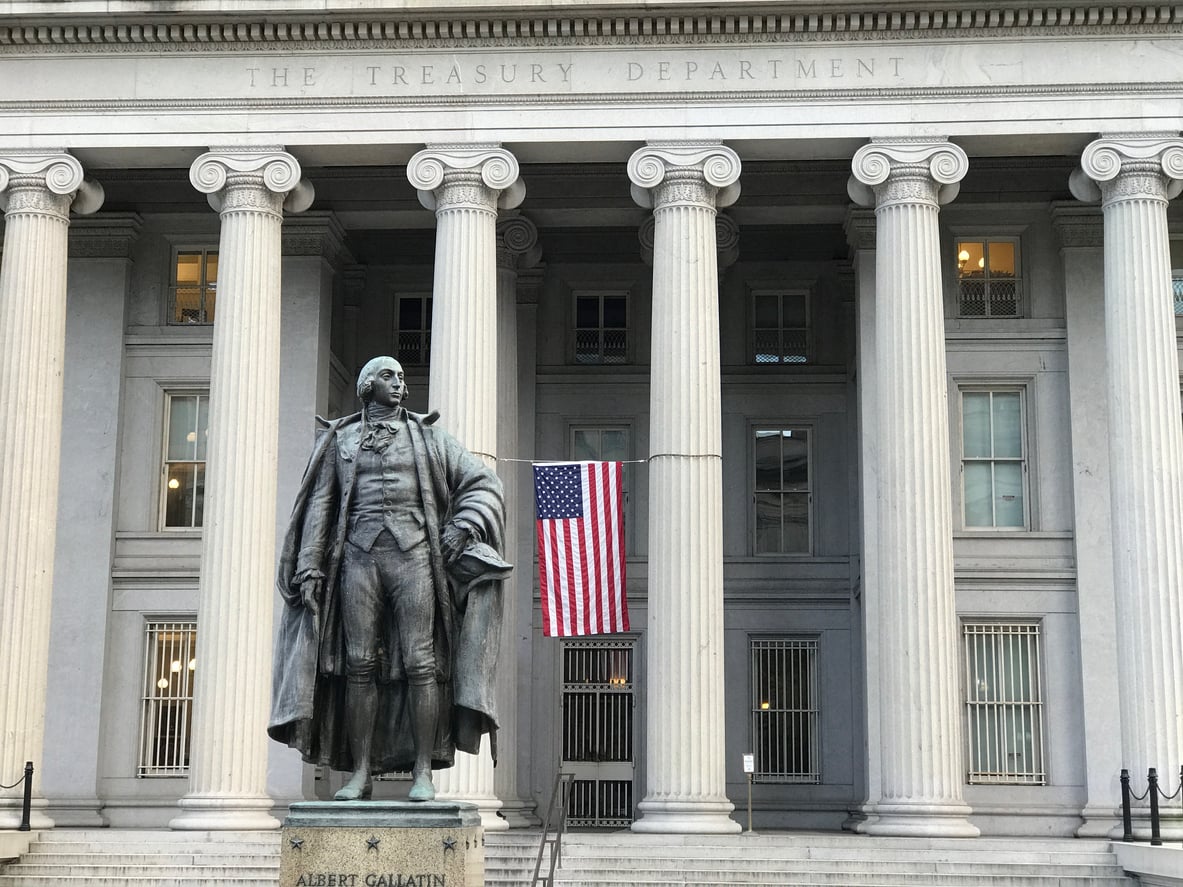

Geopolitical tensions between the United States, Israel, and Iran have increased market volatility, driving swings in oil prices and Treasury yields. Despite the uncertainty, equity markets have shown resilience as investors monitor risks around the Strait of Hormuz and broader energy supply.
Middle East Tensions Continue to Pressure Global Markets
After last week’s Middle East-driven selloff, U.S. equity markets stayed volatile as investors processed the ongoing conflict between the U.S., Israel, and Iran. Markets tried to rebound, but persistent uncertainty and energy price swings kept sentiment cautious.
Oil Prices Spike Amid Fears of Supply Disruptions
Oil prices once again became the central driver of market sentiment. At the height of the geopolitical shock, crude briefly surged above $110 per barrel as investors feared supply disruptions across the Persian Gulf and instability around the Strait of Hormuz—one of the world’s most critical energy shipping routes.Although prices later retreated toward the $80–$85 range, the spike reignited concerns that rising energy costs could push inflation higher again just as price pressures had started to ease earlier this year.
Rising Treasury Yields Add Another Layer of Market Volatility
Another key development has been the sharp rise in long-term government bond yields. Investors increasingly worry that the financial cost of the conflict could lead to higher government spending and wider fiscal deficits.As a result, long-term bonds sold off, pushing the 30-year yield close to 5%. Higher yields tighten financial conditions and tend to pressure equity valuations, adding further volatility across global financial markets.
Markets Show Resilience Despite Geopolitical Uncertainty
Despite the turbulence, equity markets have demonstrated a degree of resilience. Several sessions saw strong intraday recoveries, particularly after comments suggesting the conflict may not escalate into a prolonged regional war.Oil prices also retreated from their peak levels, helping stabilize sentiment toward the end of the week and allowing markets to recover some losses.
What Investors Should Watch Next
Looking ahead, market direction will largely depend on how the geopolitical situation evolves. If tensions ease and energy prices stabilize, investors may shift their focus back toward economic data, corporate earnings, and broader growth trends.Importantly, underlying corporate fundamentals remain relatively solid, which could support markets as geopolitical uncertainty fades.
Quantel's Take
Long-Term Investors May Find Opportunities During Volatility
At Quantel Asset Management, we view the recent market weakness as largely driven by geopolitical headlines rather than a deterioration in economic fundamentals.While volatility may persist as the situation in the Middle East evolves, periods like this have historically created opportunities for long-term investors to accumulate high-quality companies at more attractive valuations.
IMPORTANT DISCLOSURES
This material is provided for informational purposes only and does not constitute investment advice or a recommendation. The views expressed are current as of the date indicated and are subject to change without notice.
Past performance is not indicative of future results. All investments involve risk, including the possible loss of principal. Market conditions, geopolitical events, and economic factors can result in significant volatility and losses.
Geopolitical events are inherently unpredictable. The analysis presented may be outdated within hours or days of publication. There is no guarantee that any investment strategy, defensive positioning, or safe-haven allocation will protect against losses during geopolitical crises or achieve any particular outcome.
Individual circumstances vary significantly. Investors should consult with financial, legal, and tax advisors before making investment decisions. The considerations discussed may not be suitable or appropriate for all investors.
Quantel Asset Management is a registered investment adviser. Registration with the SEC does not imply a certain level of skill or training.
EXPLORE MORE POSTS
Geopolitical Risks Continue to Drive Market Volatility
Geopolitical tensions between the United States, Israel, and Iran have...
Read Moreby Jerry Yuan
Why Market Dips Can Be an Investor's Best Opportunity
by Irman Singh
Middle East Tensions Push Oil Prices Higher, Triggering Pullback in U.S. Stock Markets
Escalating geopolitical tensions in the Middle East have pushed oil prices...
Read Moreby Jerry Yuan
Agentic AI in Wealth Management: How Its Redefining Autonomous Investment Management
The wealth management industry is undergoing structural transformation. For...
Read Moreby Irman Singh
Strong Earnings, Higher Expectations : Nvidia’s Pullback and the Next Phase of the AI Trade
Thursday, U.S. equities pulled back following Nvidia’s latest earnings release,...
Read Moreby Jerry Yuan
IRS Enforcement Focus on Ultra-High-Net-Worth Taxpayers in 2026: Key Considerations for Advisors and Principals
Public statements and budget allocations indicate that the Internal Revenue...
Read Moreby Irman Singh
US-Iran Tensions Drive Oil Surge: What It Means for Investors
Weekly market analysis: Oil prices, stock market resilience, and defensive...
Read Moreby Jerry Yuan
Beyond Direct Indexing: Institutional Tax-Aware Portfolio Strategies for RIAs Managing Concentrated Equity
Registered Investment Advisors (RIAs) are increasingly encountering clients...
Read Moreby Irman Singh
AI Anxiety Meets Cooling Inflation: A Reality Check for U.S. Stocks
U.S. equities saw a sharp pullback on February 12, with the S&P 500 down 1.6%,...
by Jerry Yuan
The Executive guide to Diversifying Concentrated Stock
For many executives and founders, company stock represents both professional...
Read Moreby Irman Singh
AI Meets Reality: Labor Cracks, Fed Uncertainty, and a Market in Reset
The U.S. equity market has taken a sharp turn this week as investors react to...
by Jerry Yuan
Where AI Truly Helps RIAs (and Where It Doesn't) : A PRACTICAL GUIDE
by Irman Singh
Gold & Silver Surge: A Quiet Warning Signal for U.S. Equity Markets
Gold and silver are surging as U.S. stocks show volatility, signaling a shift...
by Jerry Yuan
Portfolio Construction Mistakes Advisors Must Avoid in 2026 -PART 2
by Irman Singh
Markets Bounce Back as Trump Blinks — Relief Rally Returns, but Caution Lingers
US markets staged a sharp relief rally after President Trump paused planned...
by Jerry Yuan
Portfolio Construction Mistakes Advisors Must Avoid in 2026 -PART 1
by Irman Singh
U.S.–Taiwan Trade Deal: A Structural Positive for U.S. Equities
The U.S.–Taiwan trade agreement represents a substantial benefit for U.S....