

Weekly Summary
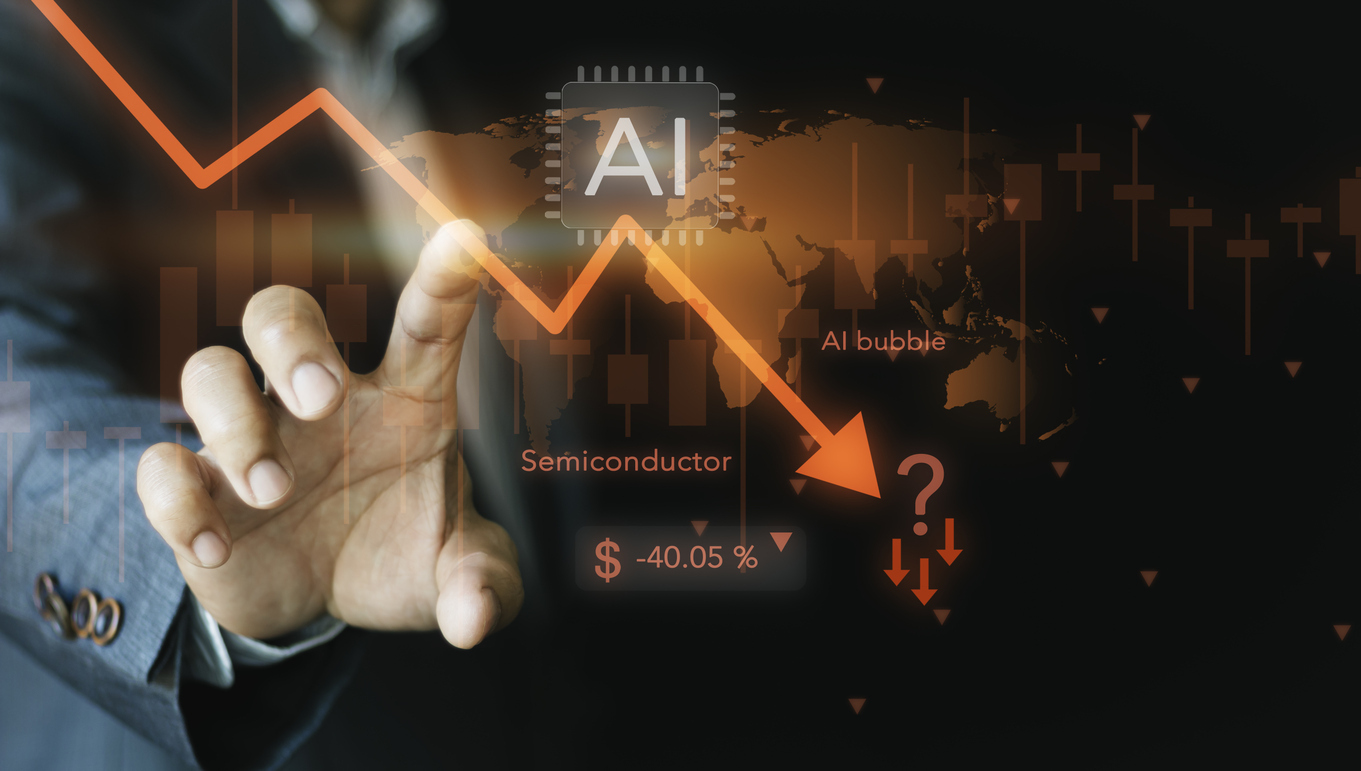
The S&P 500 and Nasdaq ended the week sharply lower as concerns about AI infrastructure spending rattled technology shares. AMD's strong earnings highlighted an important distinction between current demand and the future returns investors expect.
It was a difficult week to own AI stocks. The S&P 500 fell 2.7%, its worst week since April 2025, and the Nasdaq lost 3.4%. An early rally after the midterm elections gave way to heavy selling in technology shares. Friday’s rebound offered some relief, but it did little to repair the damage. Our AI holdings were hit as well, with several disappointing developments adding to the pressure. The week made clear how quickly confidence can unravel when investors begin to question the pace of growth already built into share prices.
How the 2026 Midterm Elections Affected AI Stocks
Democrats won control of both chambers of Congress, and markets initially welcomed greater clarity in Washington. The S&P 500 rose 1.6% on Wednesday. By Thursday, attention had shifted to what the political change might mean for the AI buildout, particularly the risk of slower approvals for new data centers. The result itself does not tell us which projects will be delayed or which policies will pass. Still, companies priced for years of rapid expansion are vulnerable when the timetable becomes less certain.
Those worries fed an unusually severe selloff. The S&P 500 technology sector dropped 7.3% on Thursday, while the Philadelphia Semiconductor Index lost more than 12%. Investors were worried that slower construction could push back equipment orders and the revenues expected to justify enormous capital spending. Even a delay can matter when valuations depend on earnings several years away. For now, these are fears about the speed and economics of the AI expansion, rather than evidence that demand has suddenly disappeared.
AMD Earnings: Strong Growth Meets Higher Investor Expectations
AMD’s results earlier in the week help put that distinction in perspective. Third-quarter revenue increased 45% from a year earlier, with data-center revenue up 97%. Those are strong numbers. Yet strong current demand does not settle the question of how long that growth can continue, or how much investors should pay for it. The market is becoming less willing to assume that every increase in AI spending will translate into attractive profits throughout the supply chain.
Quantel's Take: What the AI Selloff Means for Portfolio Risk
For our portfolio, the setbacks deserve more attention than a general explanation that technology stocks had a bad week. Different AI businesses can still depend on the same spending cycle, leaving them exposed to the same change in expectations. A lower share price also does not, on its own, make a position more attractive. The useful question is whether the expected earnings have moved further out, whether the business faces a more lasting problem, and whether the valuation allows enough room for either possibility.
We remain constructive on AI’s long-term potential, but this week gave us reasons to be more cautious about the path from investment to returns. Election headlines will continue to move prices, and next week’s inflation data will matter for financing costs. For the AI names, the more durable test will be whether orders turn into revenue and cash flow on a reasonable schedule. A recovery would be easier to trust if it came with better evidence on those points.
EXPLORE MORE POSTS
AI Stocks Sell Off After the Midterms: What Investors Are Watching

by Jerry Yuan
From Earning Wealth to Building Wealth: Five Questions to Ask This Diwali
Earning money creates financial opportunity. Building wealth requires a clearer...
Read Moreby Irman Singh

Tech Earnings Falter Ahead of Midterms

by Jerry Yuan
Prosperity With Purpose: Building Wealth for the Life and Legacy You Value
Building wealth is about more than accumulating assets. It is about creating...
Read Moreby Irman Singh

Earnings and the Fed, Test the AI Outlook
AI infrastructure spending, upcoming Big Tech earnings and Federal Reserve...
Read Moreby Jerry Yuan

Beyond AUM: How Should Investors Evaluate a Wealth Management Firm?
by Irman Singh
AI Selloff Tests the Year End Outlook
AI-linked stocks faced renewed pressure as September inflation and elevated...
Read Moreby Jerry Yuan

How Quantel.ai Combines Quantitative Intelligence With Experienced Wealth Management
There is a question that keeps coming up in conversations about artificial...
Read Moreby Irman Singh

AI Optimism Faces an Inflation Test
AI infrastructure investment continues to support selected growth stocks, but ...
Read Moreby Jerry Yuan

Trust, Technology and Transparency: The Foundations of Modern Wealth Management
Modern wealth management increasingly depends on more than portfolio...
Read Moreby Irman Singh
AI Earnings, Higher Yields and the Election Outlook
Strong AI earnings are supporting selected businesses, while persistent...
Read Moreby Jerry Yuan

From Market Data to Investment Decisions: What Quantitative Intelligence Really Means
Markets generate more information than any investor can reasonably process....
Read Moreby Irman Singh

Higher Yields Put the Market’s Recovery to the Test
Rising Treasury yields are testing the durability of the equity-market recovery...
Read Moreby Jerry Yuan

Introducing Quantel: A Clearer, More Intelligent Way to Manage Wealth
Wealth is becoming more complex. The tools used to understand and manage it...
Read Moreby Irman Singh

Higher Interest Rates Test the Market, but Growth Signals Remain
Higher interest rates and Treasury yields are putting renewed pressure on...
Read Moreby Jerry Yuan

AI + Human Judgment: The Future of Wealth Management?
AI is changing wealth management, but the more important question is not...
Read Moreby Irman Singh

Oil Prices, Inflation and Higher Treasury Yields Keep Markets on Edge
Oil prices, persistent inflation and higher Treasury yields are increasing...
Read Moreby Jerry Yuan

Why Wealth Management Needs More Than Periodic Portfolio Reviews
For many investors, wealth management still follows a familiar cycle: review...
Read More